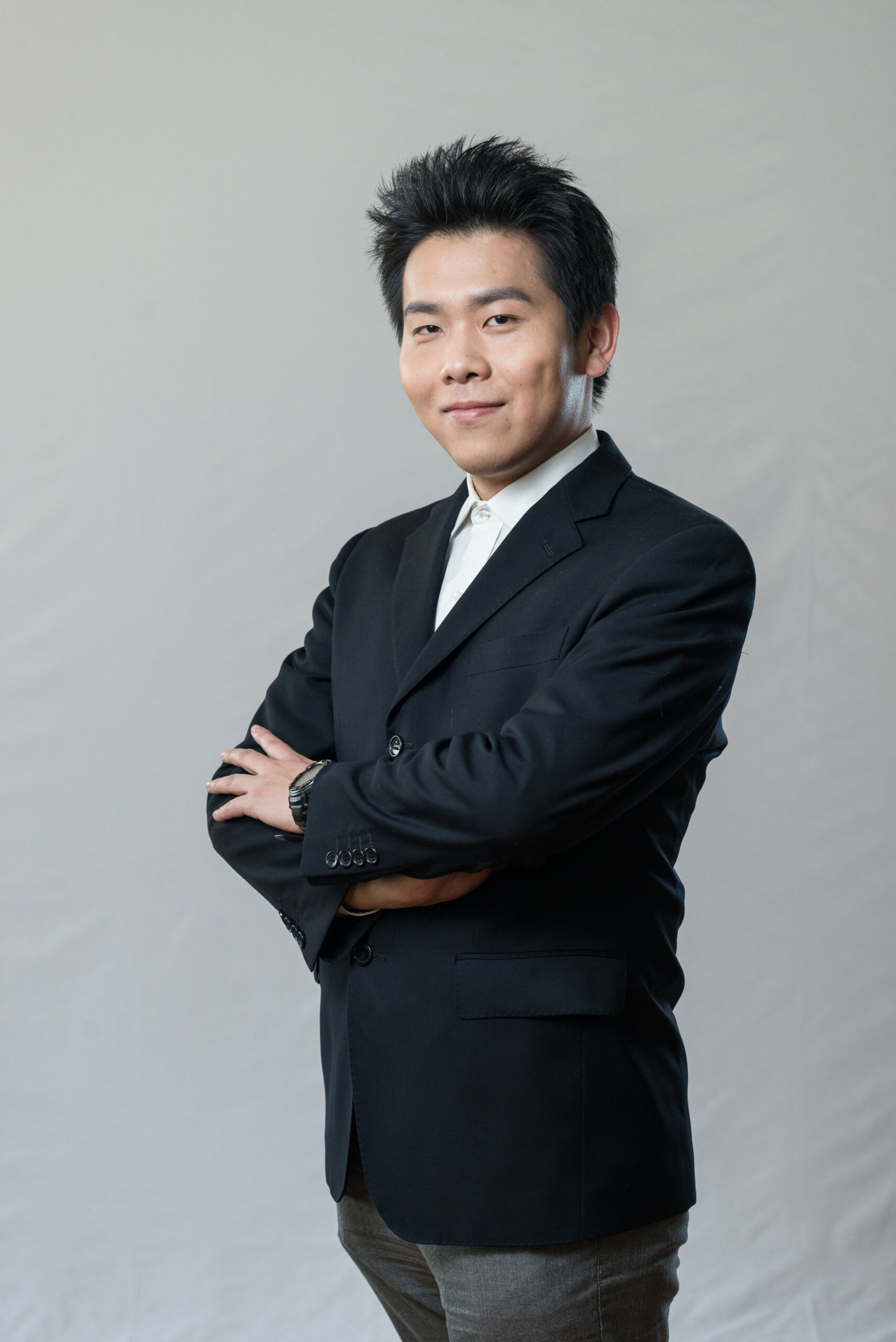
陈Sir本科毕业于中国科学技术大学应用物理专业,随后赴美攻读计算物理研究型硕士,获美国约翰霍普金斯大学全额奖学金。扎实的学术训练让我习惯从数理本质去理解每一个概念——不是记住公式,而是知道公式从何而来、为何成立、在什么条件下会失效。这种思维方式贯穿我整个教学过程。
教学经验
我是香港资深理科双语导师,拥有八年一线辅导经验。学生遍布本地传统名校与国际学校,包括圣保罗书院(SPC)、华仁书院(Wah Yan)等传统名校,以及弘立书院(ISF)、英基学校(ESF)、耀中国际学校(YCIS)等国际学校。无论面对DSE还是国际课程体系,我都熟悉各校的考试风格与评分要求,能够针对不同学校、不同学生的情况调整教学重点。
教学理念
我的课堂坚持”从数理本质讲透概念”:先建立直观理解,再推导严谨结论,让学生真正”懂”而非”背”。讲题时注重一题多解,帮助学生在不同方法之间建立联系,拓宽思路;同时坚持错题溯源,不满足于”做对了”,而是追查错误背后的思维漏洞,逐一补上,避免同类错误反复出现。我的目标,是让学生解题有章法,而不是靠运气。
无论你处于哪个学习阶段,我都希望能帮你建立起属于自己的数理思维体系,让理科成为你的优势学科。
I graduated with a bachelor’s degree in Applied Physics from the University of Science and Technology of China (USTC), and later completed a research master’s degree in Computational Physics at Johns Hopkins University on a full scholarship. Rigorous academic training has taught me to understand every concept from its mathematical and physical essence—not by memorising formulas, but by knowing where they come from, why they hold, and under what conditions they break down. This way of thinking runs through my entire approach to teaching.
Teaching Experience
I am a senior bilingual science tutor in Hong Kong with eight years of one-on-one tutoring experience. My students come from both traditional local elite schools and international schools, including St. Paul’s College (SPC), Wah Yan College, and international schools such as the Independent Schools Foundation Academy (ISF), the English Schools Foundation (ESF) and Yew Chung International School (YCIS). Whether teaching the HKDSE or international curricula, I am familiar with the examination styles and grading requirements of different schools, and tailor my teaching focus to each student’s school and situation.
Education Philosophy
My lessons insist on explaining concepts thoroughly from their mathematical and physical essence: building intuitive understanding first, then deriving rigorous conclusions, so that students truly understand rather than memorise. I value solving each problem in multiple ways, helping students connect different methods and broaden their problem-solving horizons. I also insist on tracing mistakes back to their source—not stopping at getting the answer right, but finding the flawed reasoning behind the error and fixing it, so that similar mistakes do not recur. My goal is for students to solve problems systematically, not by luck.
No matter which stage of learning a student is at, I hope to help them build their own mathematical and scientific way of thinking, making science their strongest subject.